
- Create A Clear Meal Structure
A quality Portion Control Plate can make portion management more approachable by giving each food group an appropriate place. This simple visual structure encourages balanced meals without requiring constant weighing or measuring.
- Dedicate about half the plate to vegetables and salads.
- Use around one quarter for protein-rich foods.
- Fill the remaining section with grains or other nourishing carbohydrates.
- Give Vegetables Plenty Of Space
Vegetables bring color, texture, and variety to meals while helping create a satisfying plate. Making them a prominent part of lunch and dinner can encourage greater food diversity and make healthy portions feel natural.
- Mix leafy greens with colorful vegetables.
- Include seasonal choices for variety.
- Try different cooking methods to keep meals interesting.
- Include A Suitable Protein Serving
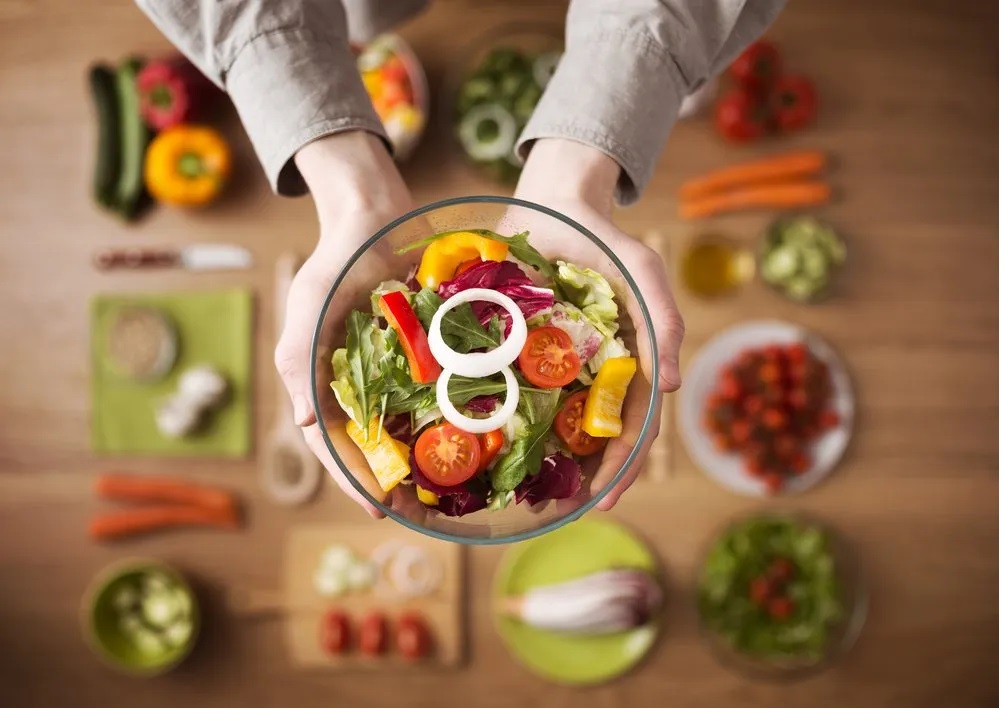
Protein is an important part of balanced meals and can contribute to lasting satisfaction. A thoughtfully sized serving works well alongside vegetables and carbohydrate sources, creating meals that feel complete and enjoyable.
- Choose beans, lentils, eggs, fish, poultry, or other preferred sources.
- Vary protein choices throughout the week.
- Keep servings proportional to the rest of the meal.
- Select Carbohydrates Thoughtfully
Carbohydrate foods can comfortably fit into healthy eating when their portions are considered. Choosing nourishing options and pairing them with vegetables and protein creates a more balanced meal pattern.
- Consider whole grains and fiber-rich choices.
- Serve carbohydrates in a moderate section.
- Combine them with other food groups for variety.
- Develop Consistent Portion Habits
Consistency can make healthy portion management easier over time. Instead of treating portion awareness as a strict rule, use the plate as a practical reminder to build meals with reasonable proportions.
- Follow a similar structure at regular meals.
- Notice hunger and fullness while eating.
- Adjust serving sizes according to appetite and daily activity.
- Keep Meals Enjoyable And Flexible
Healthy eating does not have to remove favorite foods or make every meal complicated. A quality plate can support flexibility by providing a foundation while leaving room for personal preferences and different cuisines.
- Enjoy favorite foods in sensible amounts.
- Experiment with herbs, spices, and varied ingredients.
- Focus on overall balance instead of perfection.
- Make Preparation More Convenient
Planning ahead can support better portion decisions when schedules become busy. Having suitable ingredients available makes it easier to assemble balanced meals and maintain familiar serving patterns.
- Prepare vegetables ahead when convenient.
- Portion ingredients before serving when helpful.
- Keep nutritious staples ready for quick meals.
- Turn Portion Awareness Into A Lifestyle
The most useful approach is one that feels simple enough to repeat. With regular practice, visual portion guidance can become an effortless part of meal planning, helping balanced choices feel familiar rather than demanding.
- Use the same principles across different meals.
- Keep trying new nutritious food combinations.
- Celebrate steady habits rather than seeking perfection.
Healthy portion management becomes more approachable when meals have a clear structure, appealing variety, and sensible proportions. By practicing these habits regularly, individuals can create balanced eating routines that support enjoyment, confidence, and consistency every day.